Beautiful Floral Line Art Sets for Wedding Invitations & More
There’s something timeless about a hand-drawn botanical illustration. It feels personal, elegant, and connected to nature. When you combine that organic charm with the clean precision of line art, you get a design asset that works across countless projects. The Wedding Invitation Floral Set Line Art, featuring fuchsia roses, chrysanthemums, and wildflowers, is a perfect example. These black-and-white vector illustrations aren’t just for wedding stationery. They’re versatile tools for designers, entrepreneurs, and creators looking to add a touch of refined nature to their work.
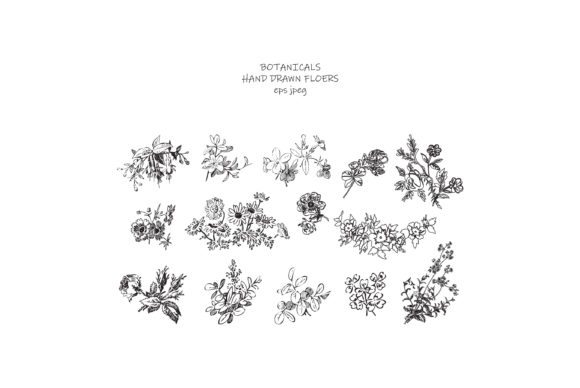
This particular set stands out because of its thoughtful composition. The fuchsia rose brings a classic, romantic feel, while the chrysanthemum adds a structured, almost geometric beauty. The wildflowers introduce a sense of whimsy and movement. Rendered as clean line art on a white background, every petal, stem, and leaf is defined with clarity. This isn’t a watercolor wash or a photographic texture. It’s a precise, scalable vector illustration that maintains its crispness whether it’s printed on a tiny business card or blown up for a large-format poster. The black-on-white format is intentionally simple, making it incredibly easy to integrate into any color palette or design system without clashing.
Where This Floral Set Truly Shines: Beyond the Invitation Suite
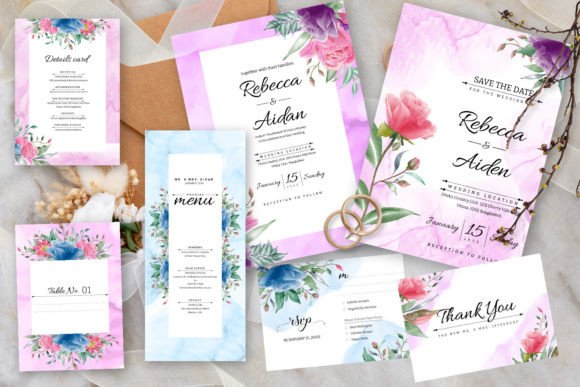
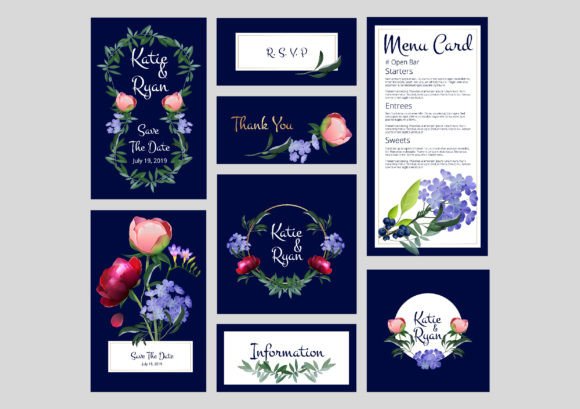
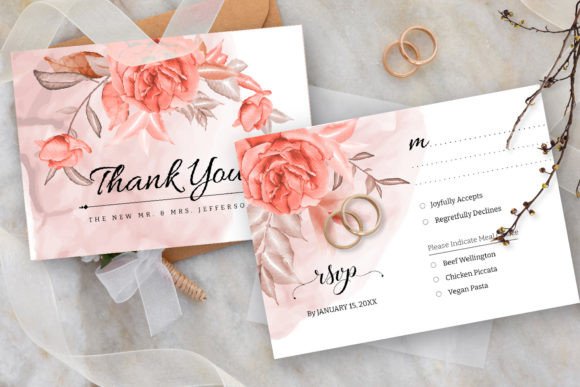
Of course, the name points to wedding invitations, and for good reason. These illustrations are perfect for creating cohesive invitation suites, from the main invite to RSVP cards, details inserts, and envelope liners. But limiting this set to just weddings would be a missed opportunity. Its versatility is its greatest strength. Think of it as a foundational design element that can be adapted to fit a brand’s voice or a project’s aesthetic.
For small business owners, this floral set can become a cornerstone of brand identity. Imagine a boutique skincare company using the fuchsia rose motif in its logo and packaging design. The line art translates beautifully to labels, boxes, and shopping bags, creating a recognizable and elegant brand mark. A local florist could use the wildflower elements across their social media graphics and website headers, reinforcing their connection to natural beauty. Content creators and bloggers can use these illustrations to break up text, create featured images, or design beautiful printables for their audience. The applications extend to merchandise—think patterns for tote bags, notebook covers, or fabric prints—and even editorial layouts for magazines or lookbooks.
Building a Cohesive and Professional Brand Identity
Using a consistent set of design assets like this floral line art does more than just make things pretty. It builds visual consistency. When a customer sees the same fuchsia rose illustration on a website, then on an Instagram post, and later on product packaging, it creates a subconscious connection. That’s brand recognition in action. It tells a story of attention to detail and professionalism.
The clean, vector nature of the artwork ensures it always looks sharp. There’s no pixelation or loss of quality, which is crucial for maintaining a professional presentation across all touchpoints. This consistency directly impacts audience engagement. People are drawn to designs that feel intentional and harmonious. A cohesive visual language, supported by high-quality assets like this, makes a brand feel more trustworthy and established, whether it’s a new startup or an established creative studio.
Practical Tips for Integrating Line Art into Your Projects
Working with a floral line art set is straightforward, but a few practical considerations can help you get the most out of it. First, think about scale and placement. These illustrations are detailed, so they work beautifully as large hero images or as subtle, smaller accents. Don’t be afraid to isolate single elements—a single chrysanthemum or a cluster of wildflowers—to use as icons or bullet points.
Color is your next tool. While the set is provided in black, it’s incredibly easy to recolor in any design software. You can make the entire illustration a soft blush for a romantic feel, a deep navy for a classic look, or even a vibrant fuchsia to match the rose’s name. You can also apply the line art as a subtle watermark behind text or use it to create elegant borders and dividers.
When pairing this style with typography, balance is key. The ornate, organic nature of the floral illustrations pairs well with clean, simple typefaces. A modern sans serif font can create a beautiful contrast, letting the art stand out without competition. For a more traditional or romantic project, a elegant serif font or a delicate script font can complement the botanical theme. Always test your font pairings at the intended size to ensure readability isn’t compromised by the decorative elements.
Finally, always check the licensing. Most premium design assets, including high-quality floral sets, come with a commercial license that allows you to use them in client work and for sale. Understanding the terms ensures you can use these beautiful illustrations confidently in any professional project, from digital products to printed merchandise.