Cute Wedding Invitation: A Designer's Guide to Charm
There’s a specific kind of magic that happens when you open a wedding invitation and it immediately makes you smile. It’s not just about the information inside—it’s about the feeling it evokes. That warmth, that personal touch, is what defines a truly memorable design. For designers, small business owners, and creative entrepreneurs, capturing that emotion in a project can be the difference between forgettable and unforgettable. This is where a thoughtfully crafted asset, like a Cute Wedding Invitation template, becomes more than just a file; it becomes a starting point for storytelling.
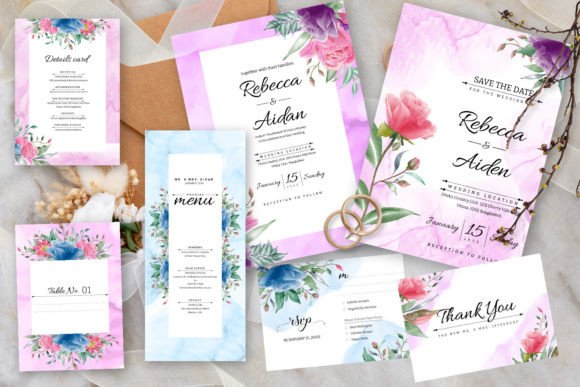
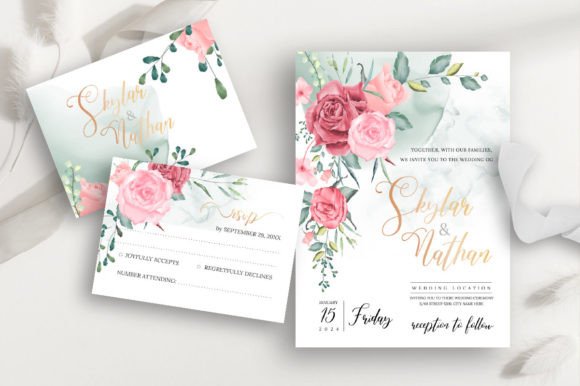
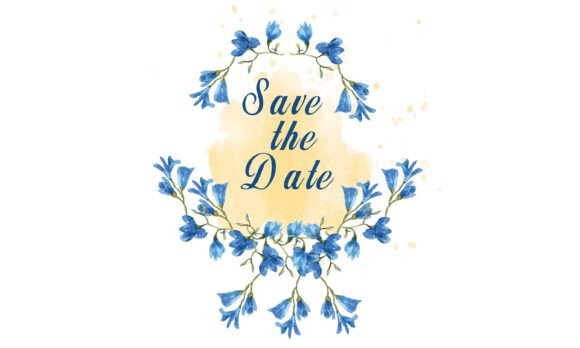
What makes this particular invitation template so visually appealing is its balanced blend of whimsy and sophistication. It avoids being overly saccharine by incorporating elegant script fonts with clean, readable sans-serif companions. The layout uses ample white space, allowing decorative flourishes—like delicate borders or subtle floral motifs—to breathe without overwhelming the essential details. This careful composition ensures the design feels both joyful and professional, a combination that resonates deeply across various applications beyond weddings.
Beyond the Big Day: Versatile Applications for a Charming Aesthetic
While the name suggests a singular purpose, the design principles embedded in a Cute Wedding Invitation template offer surprising versatility. Think of it as a masterclass in balancing personality with clarity. A small business owner launching a boutique bakery could adapt the layout for a product menu or a loyalty card. The soft color palettes and graceful typography work beautifully for branding packaging for artisanal goods, from candles to handmade soaps, instantly communicating care and quality.
For content creators and social media managers, this aesthetic is gold. The template’s structure is perfect for designing Instagram story announcements, Pinterest pins for blog posts about event planning, or even Facebook graphics for a local florist’s spring sale. The key is extracting the core visual language—the font pairing, the color scheme, the decorative elements—and applying it to new contexts. A marketing professional could use these design assets to create cohesive campaign materials for a client in the lifestyle or beauty industry, ensuring every touchpoint feels unified and engaging.
Practical uses extend even further:
- Logo Design & Brand Identity: The script elements can inspire a unique wordmark for a wedding planner, stationery shop, or a cozy café.
- Editorial Design: Use the typography and layout as inspiration for magazine features on home décor or romantic getaways.
- Digital Products: Create printable planners, wall art quotes, or journal covers that appeal to an audience valuing both beauty and function.
- Packaging Design: The delicate motifs can be adapted into patterns for tissue paper, box liners, or sticker seals.
- Web Design & Blogs: A wedding blogger could use the design system to create a visually consistent header, sidebar graphics, and call-to-action buttons that feel personal and inviting.
Making It Work: Practical Advice for Seamless Integration
Adopting a pre-designed template into your workflow is about smart adaptation, not rigid copying. First, deconstruct the font pairing. The template likely pairs a expressive script or handwritten font with a stable, readable sans-serif. Identify which font carries the personality and which ensures legibility. For your own project, you might swap the script for a different display font that better matches your client’s brand voice—perhaps a playful sans-serif instead—while keeping the readable companion for body text. Always test these pairings in context; a font that looks stunning on an invitation headline might become illegible in a small social media graphic.
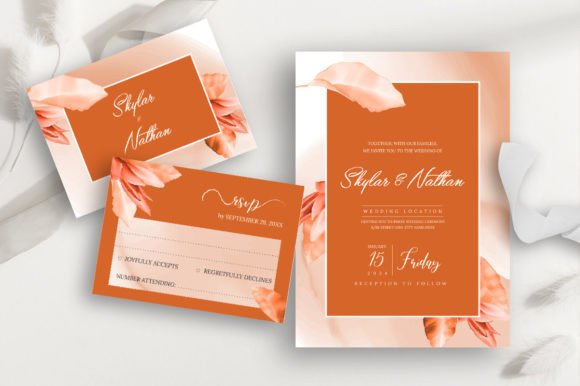
Next, consider the color story. The pastel or muted tones typical of these designs create a specific mood. If you’re adapting it for a more corporate client, you might desaturate the palette or replace pink with a soft sage green. The goal is to maintain the visual harmony and emotional tone while aligning with the project’s goals. For merchandise like tote bags or mugs, ensure the design simplifies well to a one or two-color print without losing its charm.
Finally, respect the commercial licensing. Most premium font and template purchases include a license that permits use in end products for sale, but it’s crucial to verify the terms. Does it cover unlimited sales for your client’s business? Can the final product be a digital download? Understanding this upfront prevents legal headaches and ensures your creative work is built on a solid foundation.
Why This Approach Elevates Your Creative Business
Incorporating a well-designed asset like this into your toolkit isn’t about taking shortcuts; it’s about working smarter. It provides a proven framework for visual communication—one that already understands how to balance decorative appeal with functional clarity. For a freelancer or agency, this means faster concept development for clients in the wedding, lifestyle, or beauty sectors. You can present mood boards and initial layouts that feel polished and emotionally resonant from the very first draft.
For entrepreneurs creating their own brand materials, it offers a professional starting point that avoids the amateurish look of overly generic templates. It teaches the subtle art of modern typography and layout through example. By studying and adapting the included styles, you develop a sharper eye for what makes a design feel both personal and professional. This asset, delivered in versatile formats like AI, EPS, SVG, DXF, JPG, and PNG at a generous 1920x1280px canvas size, ensures you have the right file type for any application, from crisp print production to scalable web graphics.
Ultimately, the value lies in the emotion it helps you communicate. In a crowded digital landscape, designs that connect on a human level—those that feel thoughtful, joyful, and authentic—capture attention and build loyalty. Whether you’re crafting a brand identity for a new client, designing a social media series, or developing a line of printable products, starting with a foundation that embodies charm and clarity is a strategic move. It allows your creativity to focus on the unique story you need to tell, confident that the visual framework will support and enhance it beautifully.