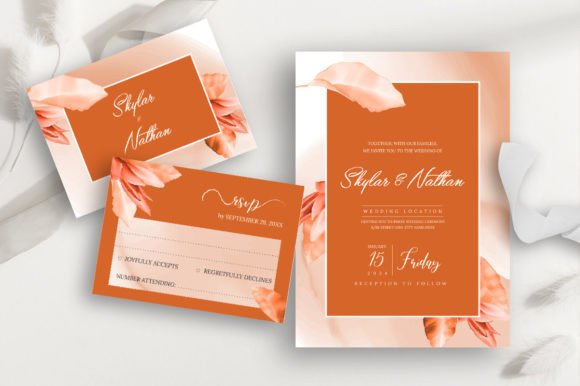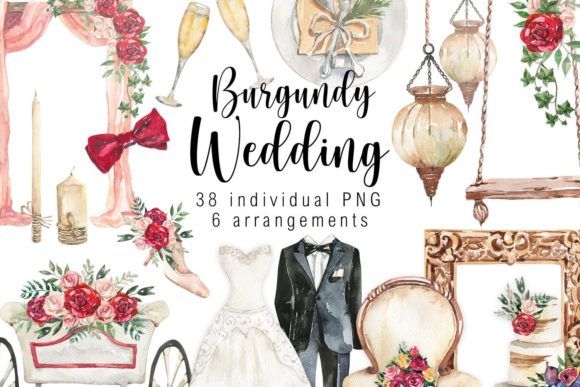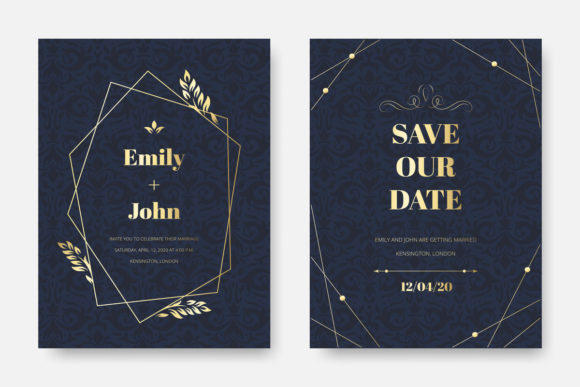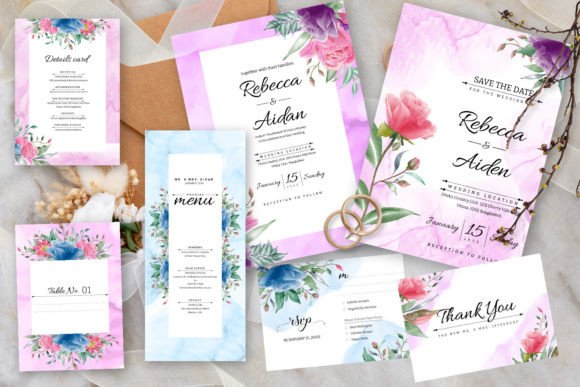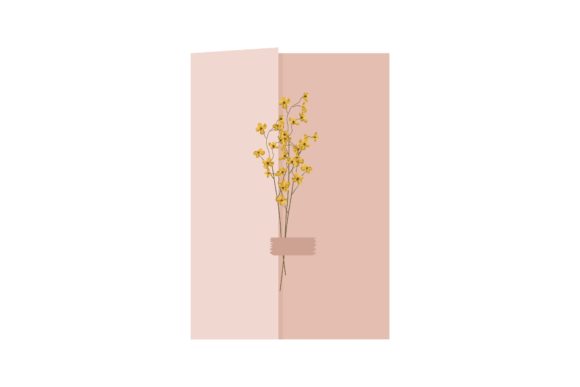
Elegant Wedding Graphics for Your Special Day
Planning a wedding involves a thousand details, but the invitation sets the tone for everything that follows. It’s the first glimpse your guests get of the celebration’s style—whether it’s a rustic barn affair, a sleek city soirée, or a romantic garden party. For designers, event planners, or creative couples, starting with a versatile and beautiful foundation can save hours of work while ensuring a polished, cohesive look. That’s where high-quality design assets come into play, offering a shortcut to professional results without starting from scratch.
Imagine having a complete set of beautifully crafted elements at your fingertips—flourishes, borders, typography, and motifs—all designed to work together seamlessly. This kind of resource is invaluable when you’re building a suite of wedding materials, from save-the-dates to thank-you cards. It ensures visual harmony across every touchpoint, reinforcing the event’s aesthetic in a way that feels intentional and refined. For designers, it’s a time-saver; for couples, it’s a way to achieve a custom look without the custom price tag.
What Makes This Wedding Invitation Design Stand Out
The appeal of this particular design lies in its balance of elegance and adaptability. It’s crafted with a modern yet timeless sensibility, featuring clean lines, delicate details, and a composition that feels both luxurious and approachable. The visual style draws from contemporary wedding trends while avoiding overly trendy elements that might date quickly. Think soft, romantic curves paired with structured typography—a combination that feels fresh but won’t look out of place in wedding albums years from now.
One of the biggest strengths is its versatility. The design works beautifully across different color palettes and can be adapted to various wedding themes with just a few tweaks. Whether you’re working with a soft pastel scheme, bold jewel tones, or classic black and white, the elements maintain their clarity and impact. This flexibility makes it a practical choice for designers who serve multiple clients or for couples who want a unique look without compromising on quality.
Practical Uses Beyond the Wedding Day
While the primary use is obvious, the real value of a well-designed invitation template extends far beyond the envelope. Consider how these elements can be repurposed for a cohesive wedding ecosystem. The same floral motifs can enhance table numbers, menu cards, and program booklets. The typography styles can be carried through to signage, favor tags, and even the wedding website. This consistency creates a polished, professional impression that elevates the entire event experience.
For creative professionals, the applications multiply. Event planners can use the base design to quickly mock up concepts for clients. Stationery designers can offer customized versions as part of their service packages. Bloggers and content creators in the wedding niche can use these graphics for Pinterest pins, Instagram stories, or blog post headers that attract engaged couples. The design becomes a reusable asset in your creative toolkit, adaptable for various projects that require a touch of elegance.
Included File Formats and How to Use Them
When you acquire this design, you receive a comprehensive set of files tailored for different workflows and end uses. Each format serves a specific purpose, ensuring you have the right tool for any situation.
- AI and EPS files are perfect for professional designers working in Adobe Illustrator or similar vector software. These editable formats allow you to scale, modify colors, adjust typography, and customize every detail without losing quality. They’re essential for creating print-ready files or adapting the design for large-format printing.
- SVG files are increasingly valuable for web and digital applications. They scale perfectly on any screen size, load quickly, and can be easily animated or integrated into websites and digital invitations. They’re also popular for use with cutting machines like Cricut or Silhouette for creating physical decorations or favors.
- JPG and PNG files provide ready-to-use versions for quick projects. The PNG format with transparency is particularly useful for layering over photos or colored backgrounds in social media graphics or digital mockups. These are ideal for those who want a polished result without needing advanced design software.
- DXF files cater to crafters and makers who use cutting machines. This format ensures compatibility with a wide range of crafting software, making it easy to create physical items like laser-cut invitations, engraved details, or vinyl decals.
The canvas size of 1920px by 1280px provides a generous working area that’s optimized for both digital display and print scaling. This size offers enough resolution for high-quality printing while remaining manageable for digital projects. Whether you’re creating a website banner, a social media graphic, or a printed invitation, the dimensions provide a solid starting point that can be adjusted as needed.
Tips for Integrating This Design Into Your Projects
Successful design integration starts with understanding your project’s goals. If you’re creating a wedding suite, begin by establishing a color palette that reflects the couple’s personality and wedding theme. Use the vector files to experiment with different color combinations until you find one that feels right. Remember that vector formats allow for infinite experimentation without quality loss.
For branding projects, consider how the design elements can be deconstructed and used separately. A single floral motif might become a logo accent, a pattern background, or a social media profile graphic. The typography can be extracted and used independently for other projects that need an elegant, handwritten feel. This modular approach maximizes the value of your purchase and gives you creative flexibility.
When pairing this design with other fonts or graphics, look for complementary styles rather than competing ones. If the invitation features a flowing script, pair it with a clean, simple sans-serif for body text. Maintain enough contrast in scale and weight to ensure readability while creating visual interest. Test your combinations at actual size to ensure they work in real-world applications, not just on screen.
Commercial and Creative Considerations
For designers and small business owners, understanding licensing is crucial. Always review the specific terms included with your purchase. Most quality design assets come with licenses that allow for commercial use in client projects, merchandise, and digital products, but it’s important to verify what’s permitted. Knowing you have proper authorization lets you use the design confidently in paid work, whether you’re creating invitations for clients, selling printed stationery, or incorporating the graphics into products for sale.
From a practical standpoint, organizing your files will save you time in future projects. Create a dedicated folder structure for wedding-related assets, and consider saving customized versions separately from the original files. This habit prevents accidental edits to your master files and makes it easy to find what you need when inspiration strikes or a client request comes in.
Ultimately, the right design resource does more than just look pretty—it solves problems, saves time, and enables creativity. It allows you to focus on the unique aspects of each project rather than starting from zero. Whether you’re a professional designer juggling multiple clients or a couple planning your dream wedding, having reliable, beautiful assets at your disposal makes the creative process more enjoyable and the results more impressive.