Mandala Wedding Design: Intricate Patterns for Elegant Branding
There's a moment when a design element transcends mere decoration and becomes a statement. For many creatives working on wedding-related projects, that moment often arrives when they discover the power of a well-crafted mandala. These intricate, symmetrical patterns carry a sense of wholeness, unity, and spiritual harmony—qualities that resonate deeply with the themes of marriage and celebration. If you've been searching for a versatile decorative asset that blends traditional symbolism with modern design flexibility, this collection of mandala-inspired files offers a compelling solution.
Why Mandalas Work So Well in Wedding and Event Branding
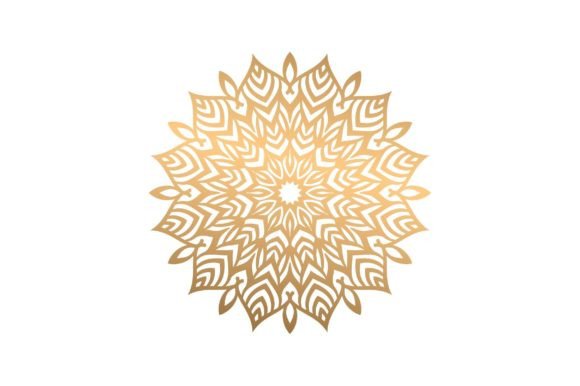
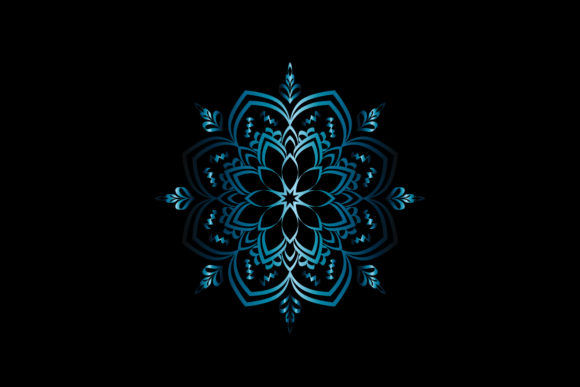
Mandalas aren't just pretty circles. Their geometric precision and balanced radiating forms naturally draw the eye inward, creating a focal point that feels both calming and captivating. In the context of wedding stationery, this visual pull translates beautifully to invitations, program covers, and table signage. The patterns suggest infinity and interconnection—subtle but powerful metaphors for a lifelong partnership.
What makes this particular set stand out is the attention to detail in each petal, swirl, and layering motif. The designs feel hand-drawn yet refined, avoiding the overly digital look that can make some decorative assets feel cheap. Whether you're a stationery designer building a suite for a client or a bride-to-be crafting DIY pieces for a personal celebration, these files provide a professional starting point that's easy to customize.
Practical Applications Beyond the Wedding Day
While the name suggests a wedding focus, the creative possibilities stretch far beyond nuptial events. Consider how mandala patterns elevate other design contexts:
- Logo and Brand Identity: A simplified mandala motif can anchor a yoga studio's branding, a wellness blog's header, or a boutique spa's packaging. The symmetry communicates balance and intentionality.
- Social Media Graphics: Instagram stories, Pinterest pins, and Facebook cover photos gain instant visual interest when framed with mandala borders or corner accents. The patterns photograph well and stand out in crowded feeds.
- Print Materials: Business cards, thank-you notes, and menu designs benefit from the elegance of mandala art. A subtle watermark version behind text adds depth without overwhelming readability.
- Digital Products and Merchandise: From downloadable wall art prints to tote bag designs and phone case artwork, mandala illustrations translate across physical and digital merchandise with ease.
- Editorial Layouts: Magazine spreads, lookbooks, and blog post headers can use mandala elements as decorative dividers, pull-quote backgrounds, or chapter openers.
Working With Vector Files: Flexibility That Matters
One of the most practical aspects of this design package is the range of file formats included. Having access to AI, EPS, SVG, DXF, JPG, and PNG versions means you're not locked into a single software ecosystem. Here's why that matters in real-world use:
If you work in Adobe Illustrator, the AI and EPS files let you manipulate individual anchor points, recolor sections, and scale the artwork to any dimension without losing sharpness. The SVG format is essential for web designers who need crisp rendering on screens of all resolutions. Crafters using Cricut or Silhouette machines will find the DXF file indispensable for cutting intricate mandala shapes from vinyl, paper, or fabric. And for quick mockups or social media posts, the high-resolution JPG and PNG files are ready to drop into Canva, Photoshop, or any layout tool.
The 1920px by 1280px canvas size strikes a practical balance—large enough for print-quality output at smaller scales, yet optimized for digital presentations and screen-based projects. If you need to resize for a specific application, the vector formats ensure you can go as large as a banner or as small as a jewelry charm without pixelation.
Pairing Mandala Art With Typography
A common challenge when working with ornate decorative designs is choosing typefaces that complement rather than compete. Here's a straightforward approach:
Let the mandala serve as the visual anchor. Pair it with clean, modern sans-serif fonts for body text—think fonts like Montserrat, Lato, or Open Sans. For headings or names, a graceful script or calligraphic typeface can echo the flowing curves within the mandala itself. Avoid pairing with overly detailed or decorative fonts, as the result tends to feel cluttered and difficult to read.
Test your combinations at the actual size they'll appear. A mandala that looks balanced on a laptop screen might overwhelm a small invitation card. Print a physical proof if possible, or at least view your design at 100% zoom to check how the elements interact at their intended scale.
Licensing and Commercial Use Considerations
Before incorporating any design asset into a client project or product for sale, always review the licensing terms. Most premium design files intended for commercial use allow you to incorporate them into finished products—like printed invitations or branded merchandise—but may restrict redistribution of the raw files themselves. This is an important distinction for designers who sell templates or digital downloads.
If you're a small business owner creating your own marketing materials, standard commercial licenses typically cover your needs. For agencies or designers producing work for multiple clients, extended or multi-use licenses may be worth investigating. When in doubt, reach out to the creator for clarification rather than making assumptions.
Final Thoughts on Making Mandala Designs Your Own
The best design assets are the ones you can adapt to fit your specific vision. Start with the mandala as provided, then experiment. Try isolating a single section of the pattern to use as a standalone icon. Recolor it to match a wedding palette of dusty rose and sage, or go bold with jewel tones for a more dramatic effect. Layer it behind text with reduced opacity for a sophisticated background texture. Rotate it, mirror it, combine multiple files to create a border or frame.
The six files in this collection give you enough variety to explore different arrangements without starting from scratch. Whether you're building a full wedding stationery suite, designing a brand identity for a new business, or simply adding visual interest to a personal creative project, having a high-quality mandala design in your toolkit saves time and elevates the final result. The key is to treat it as a flexible ingredient rather than a finished product—something to build upon, adapt, and make distinctly yours.