Timeless Elegance: A Watercolor Floral Wedding Invitation Suite
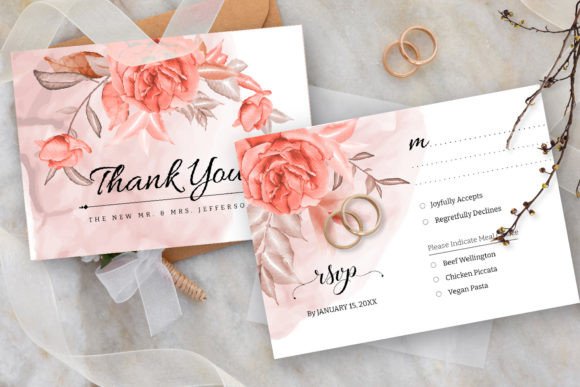
There’s a moment in every couple’s wedding planning journey where the abstract becomes real—the moment you hold your invitation suite in your hands. It’s more than paper and ink; it’s the first tangible promise of the day to come. For designers and couples alike, capturing that feeling of romantic, organic elegance is paramount. A beautifully crafted floral wedding invitation graphic set, featuring soft watercolor dusty rose blooms and lush greenery leaves, offers a versatile and stunning foundation. This kind of design asset moves beyond a simple template, providing a cohesive visual language that can be adapted to tell a unique love story.
The Allure of Watercolor and Botanical Elements
What makes a watercolor dusty rose and greenery palette so perpetually popular? It strikes a perfect balance between sophistication and softness. The muted, blush-pink tones of dusty rose evoke romance and warmth without overwhelming the senses, while the hand-painted watercolor texture adds an artisanal, bespoke quality. Paired with the organic, flowing lines of eucalyptus or fern leaves, the design feels alive and grounded. This combination avoids the pitfalls of overly trendy graphics, offering instead a timeless aesthetic that feels both personal and polished. For a designer, starting with such a strong foundational graphic means half the creative battle is already won. The inherent artistry provides a rich canvas upon which to build a complete brand experience for the wedding, extending far beyond the invitation itself.
Practical Applications for Designers and Creatives
While the primary use is clear, the true value of a high-quality vector floral wedding invitation graphic lies in its adaptability. Think of it not as a single-use item, but as a core element within a broader design toolkit. Here’s how creative professionals can leverage this style:
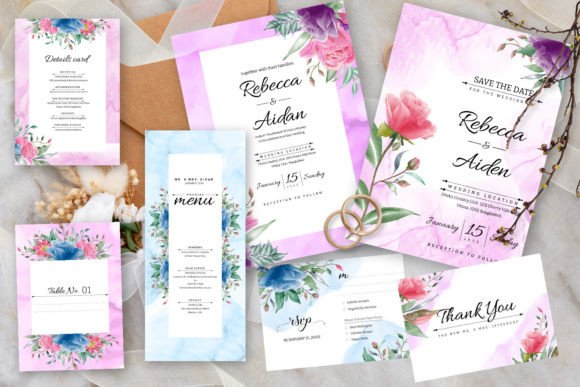
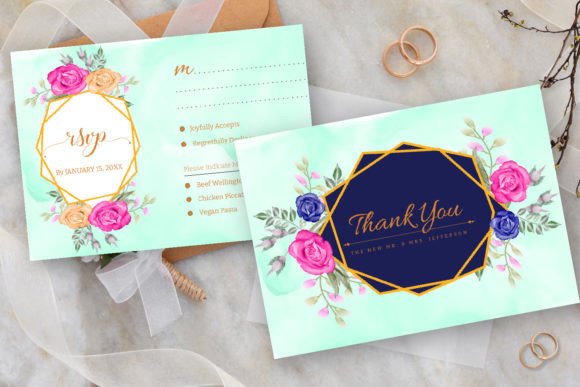
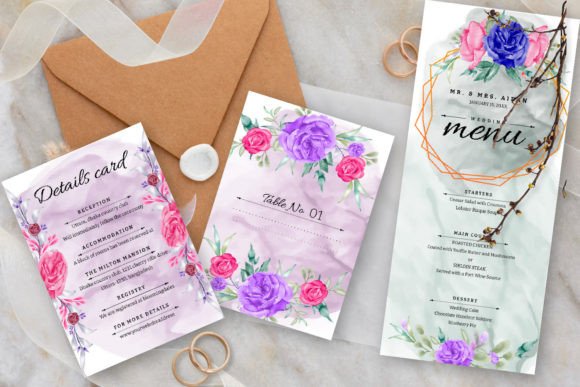
- Full Wedding Suite Cohesion: Beyond the main 5"x7" invitation and the 3.5"x5" RSVP card, use the vector elements to create matching save-the-dates, detail cards, menus, programs, and thank-you notes. Consistent use of the watercolor florals and greenery ties every piece together, creating a luxurious, unified guest experience.
- Day-Of Event Branding: The graphic elements can be extracted and scaled to decorate everything from welcome sign easels and seating charts to table numbers, favor tags, and even custom napkins. This level of detail elevates the entire event’s visual narrative.
- Digital Extensions: The suite easily translates to digital assets. Create a wedding website header, email signatures for coordination, social media graphics for announcements and countdowns, and even digital invitations or save-the-dates for a more eco-conscious approach.
- Post-Wedding Projects: The design doesn’t expire after the event. Use the beautiful botanicals to create a custom photo album cover, thank-you card templates for gifts, or even a piece of framed art for the couple’s new home featuring their wedding date and initials.
For graphic designers working with clients, presenting a mockup using this kind of cohesive, editable template system demonstrates a high level of professionalism and foresight. It shows you’re thinking about the entire visual journey, not just a single deliverable.
Working with Editable Vector Files
The mention of EPS files and vector editing capability is where the practical magic happens for professionals. Unlike a static JPG, a vector file is infinitely scalable without losing quality. This is non-negotiable for print materials. You can enlarge the floral corner for a massive welcome sign or shrink it for a delicate envelope liner, and the lines remain crisp. Furthermore, being editable in Adobe Illustrator or similar software means complete creative control. You can adjust the color of a single rose to match a specific fabric swatch, reposition a leaf to accommodate a longer text block, or remove elements entirely for a minimalist variation. The inclusion of free fonts is another thoughtful touch, ensuring the typography remains accessible and easy to implement right away, removing a potential hurdle for both designers and DIY couples.
Choosing and Pairing Your Typography
When integrating a text-heavy element like a wedding invitation with a detailed floral graphic, typography becomes your best friend. The goal is harmony, not competition. A elegant script font for the couple’s names can mirror the fluidity of the watercolor brushstrokes, creating a beautiful visual echo. For the essential details—date, time, venue—a clean, highly legible serif or sans-serif font provides necessary contrast and ensures readability. This is a classic font pairing strategy: combining a decorative display font with a functional body font. Always print a test copy. What looks elegant on screen can sometimes become illegible when printed, especially with intricate scripts or at smaller sizes. The editable nature of the template allows you to experiment with these pairings until you find the perfect balance of beauty and clarity that reflects the couple’s personality.
A Foundation for Lasting Impressions
In the end, a floral wedding invitation graphic set like this is more than a product; it’s a starting point for storytelling. It provides the professional-grade assets—editable vectors, multiple card sizes, print-ready bleed—that empower both designers and ambitious couples to create something truly personal and polished. The combination of the romantic, timeless watercolor dusty rose and greenery palette with the practical flexibility of vector files makes it a powerful asset in any creative’s toolkit. It streamlines the design process, ensures visual consistency across dozens of touchpoints, and ultimately helps craft that unforgettable first impression that every wedding deserves. The real value is in the transformation: from a beautiful template into a cherished heirloom that announces a lifetime of love.