Wedding Initial Decoration Floral Logo: A Designer's Dream for Elegant Branding
There's a certain magic in a design that feels both personal and timeless. It's the difference between a generic template and something that tells a story, evokes an emotion, and builds an instant connection. For many creative professionals and business owners, finding that perfect visual element—a logo that feels handcrafted, elegant, and deeply personal—is a constant pursuit. Enter the concept of a floral monogram, a design approach that combines the intimacy of initials with the organic beauty of botanical illustration. This style isn't just a trend; it's a sophisticated tool for creating memorable brand identities.
More Than Just Letters: The Allure of the Floral Monogram
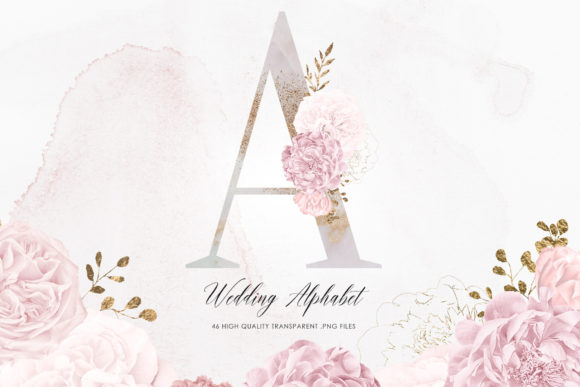
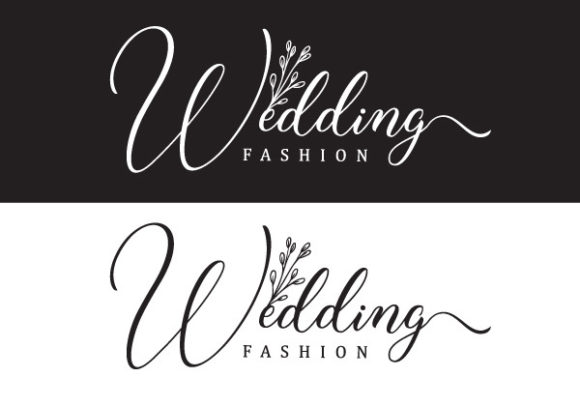
At its core, a design like the Wedding Initial Decoration Floral Logo is a hybrid asset. It merges the clarity and recognition of a monogram with the decorative, organic flow of floral elements. The visual appeal is immediate. The initials provide a strong, readable focal point—essential for branding and logo design—while the surrounding floral illustrations add layers of texture, elegance, and personality. This combination works because it balances structure with artistry. The serif or script letterforms give it a classic, premium font feel, while the delicate botanicals soften the edges, making the design feel approachable and romantic.
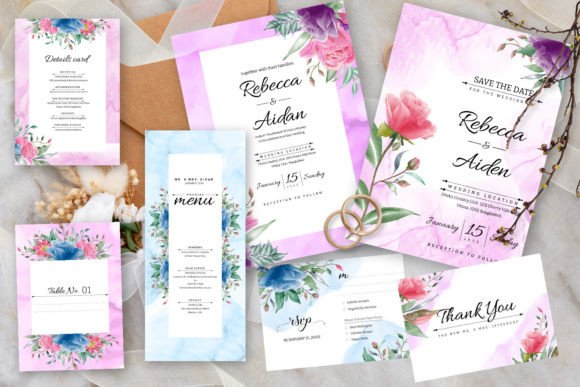
This type of logo concept is incredibly versatile. Imagine it embossed on the cotton paper of a high-end wedding invitation, serving as the elegant centerpiece that sets the tone for the entire event. Picture it as the main branding mark for a boutique florist, a wedding planner, or a artisanal stationer. The floral elements can be tailored—think peonies for romance, olive branches for peace, or eucalyptus for modern minimalism—to perfectly match the brand's story and the specific project's goals.
From Screen to Stitch: Practical Applications for Every Creative
The real value of a well-crafted vector logo template like this lies in its adaptability across mediums. As a downloadable design asset, it's built for real-world use. For a graphic designer, this isn't just a pretty picture; it's a foundational element for a complete brand identity system.
- Brand Identity & Logo Design: This is the most direct application. Use it as the primary logo for a business, or as a secondary brand mark for a more personalized touch on business cards, letterheads, and thank-you notes.
- Packaging Design: For product-based businesses, this logo adds instant perceived value. It can be foil-stamped on boxes, printed on labels, or used on tissue paper, transforming simple packaging into a luxury experience.
- Digital Presence: It translates beautifully to websites and blogs, serving as a sophisticated favicon, a header graphic, or a watermark for images. On social media, it becomes a recognizable profile picture or a recurring element in Instagram Stories and Pinterest pins, strengthening visual consistency.
- Print & Merchandise: Think beyond the obvious. Use it on tote bags, mugs, or apparel for a boutique merchandise line. In editorial layouts for magazines or lookbooks, it can act as a elegant divider or a chapter opener. For event planners, it's perfect for custom signage, menus, and programs.
The key is that a vector format (like an EPS file) ensures the design remains crisp and scalable, whether it's printed as a tiny detail on a pen or blown up for a conference backdrop. This technical reliability is what separates professional-grade assets from low-resolution images.
Building a Cohesive Visual Language: Tips for Implementation
Having a beautiful logo is one thing; integrating it effectively into a broader design system is another. Here’s how to ensure this floral monogram works hard for your project.
Font Pairing is Crucial. Your logo will rarely stand alone. You'll need complementary typefaces for body copy, headlines, and other text. If your monogram uses a classic serif, pair it with a clean, modern sans-serif font for readability in paragraphs. If it's a flowing script, balance it with a simple, geometric sans-serif. The goal is contrast that creates hierarchy without conflict. Always test your pairings in the context of your actual design—see how they look together on a website mockup or a packaging dieline.
Consider the Context. The formality of the floral elements should match the project's tone. A dense, intricate floral logo might suit a luxury wedding brand but could overwhelm a casual blog. For a more modern take, you might use the monogram with a simplified, line-art botanical illustration. Review the included files carefully; a good template will offer variations that allow for this kind of contextual adaptation.
Don't Forget Licensing. When using any design asset for commercial work, clarity on licensing is non-negotiable. Ensure the template's license covers your intended use—whether it's for client work, merchandise, or digital products. This protects you legally and allows you to use the asset with confidence.
The Strategic Advantage of a Thoughtful Visual Mark
Ultimately, a logo like the Wedding Initial Decoration Floral Logo is more than decoration; it's a strategic tool for visual communication. In a crowded market, it helps a brand stand out by offering a blend of professionalism and personal touch. It improves brand recognition because its unique combination of elements is more memorable than a generic icon. It enhances audience engagement by conveying care, quality, and aesthetic sensibility through every touchpoint.
For the entrepreneur, it means presenting a polished, cohesive image from day one. For the designer, it’s a versatile asset that can be adapted to solve various client briefs with elegance and efficiency. It proves that great design isn't just about looking good—it's about creating a consistent, professional presentation that builds trust and resonates on an emotional level. Whether you're launching a new venture, refreshing an existing brand, or creating a suite of beautiful marketing assets, starting with a thoughtfully designed visual foundation makes all the difference.