Wedding Vector: A Versatile Asset for Every Creative Project
There's a unique kind of magic in designs that feel both timeless and fresh, especially when it comes to celebrations of love. Finding the right visual elements can make all the difference, transforming a simple idea into something truly memorable. This is where a well-crafted wedding vector comes into play, offering a blend of elegance and flexibility that serves designers, entrepreneurs, and hobbyists alike. It’s more than just a decorative piece; it’s a foundational tool for creating cohesive and beautiful visual narratives.
Understanding the Visual Appeal of Wedding Vector Art
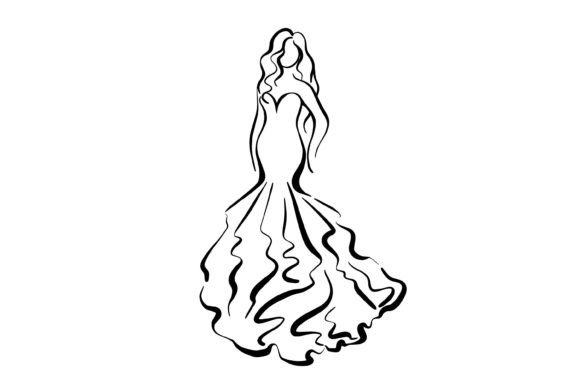
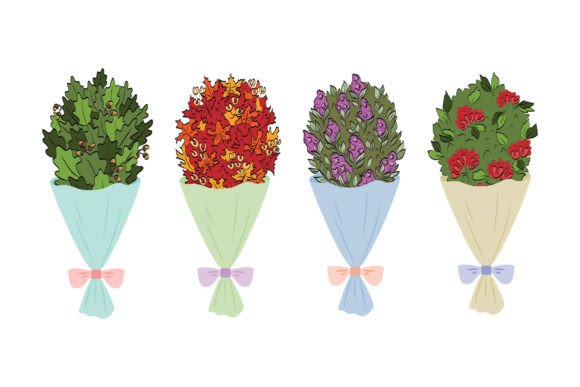
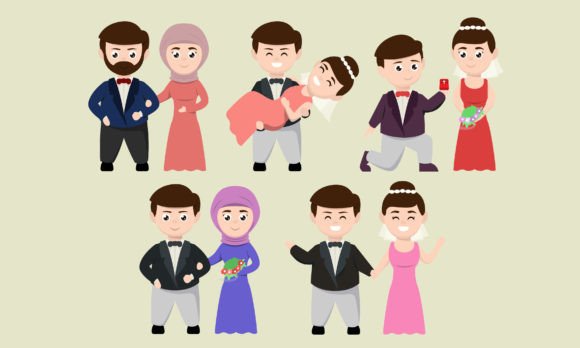
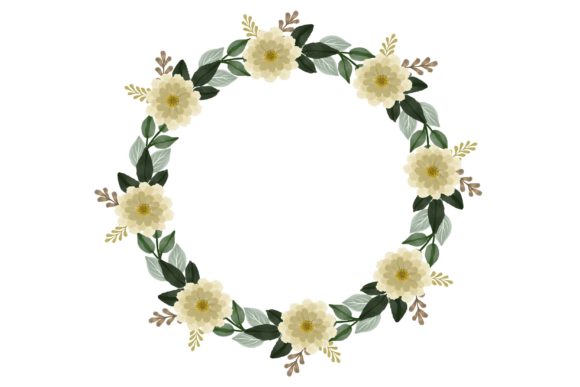
At its core, a wedding vector is a scalable graphic file that depicts themes of romance, commitment, and celebration. Think delicate floral arrangements, intertwined rings, graceful calligraphy, or silhouettes of couples. The beauty lies in its clean lines and smooth curves, which remain crisp at any size—from a tiny social media icon to a large-format poster. This scalability is its superpower. Unlike raster images that pixelate when enlarged, vector graphics maintain perfect clarity, ensuring your designs always look professional. The aesthetic often balances classic romance with modern minimalism, making it suitable for a wide range of projects, from rustic farmhouse branding to sleek, contemporary invitations.
Practical Applications Across Industries
The true value of a premium font or design asset is measured by its utility. A versatile wedding vector is no exception, finding a home in countless creative and commercial endeavors. For designers and brand strategists, it can be the cornerstone of a visual identity for wedding planners, bakeries, event venues, or bridal boutiques. Imagine a logo that incorporates a subtle, elegant vector motif—it immediately communicates the business's specialty and sets a specific tone.
For content creators and marketers, these assets are gold. They can be used to create stunning social media graphics that stop the scroll, adding a touch of sophistication to Instagram stories or Pinterest pins. In packaging design, a well-placed vector can elevate a product, whether it's on a wedding favor box, a gourmet food label, or a cosmetic gift set. The applications extend far beyond the wedding industry itself. Bloggers can use them to illustrate articles on relationships, lifestyle, or event planning. Publishers and editorial designers might incorporate them into magazine layouts or book covers to add thematic depth.
Here are just a few specific use cases:
- Invitations & Stationery: The most obvious and essential use. Vectors form the decorative borders, monograms, and illustrations that make wedding suites beautiful.
- Digital Products: Create and sell printable planners, wall art, or social media templates featuring these elegant elements.
- Merchandise: Apply designs to products like tote bags, mugs, or t-shirts for the bridal party or as gifts.
- Website & Blog Design: Use vectors as background patterns, header images, or iconography to create a romantic and cohesive online presence.
- Marketing Assets: Design flyers, posters, and email banners for bridal shows, sales, or special promotions.
Enhancing Your Work with the Right Design Elements
Integrating a high-quality wedding vector into your projects does more than just add decoration; it actively improves the final outcome. For starters, it promotes visual consistency. When you use the same style of vector art across your website, social media, and print materials, you build a recognizable brand identity. This consistency fosters trust and makes your brand or project look more polished and intentional.
Professional presentation is another key benefit. A thoughtfully chosen vector can elevate a design from amateur to expert. It shows attention to detail and an understanding of aesthetic harmony. This, in turn, boosts audience engagement. People are drawn to beautiful things, and a visually appealing design is more likely to be shared, remembered, and acted upon. Whether you're designing a logo or a social media post, the goal is to connect with your viewer, and superior visual assets help bridge that gap.
Making the Most of Your Wedding Vector Files
To truly leverage this design asset, a thoughtful approach is necessary. Start by considering the personality of your project. Is it whimsical and hand-drawn, or structured and modern? Choose a vector style that aligns with that mood. A script font-inspired floral swirl might be perfect for a romantic blog, while a geometric heart pattern could suit a contemporary brand.
Next, think about font pairing. If your vector includes text elements or will be used alongside typography, ensure the styles complement each other. A ornate, decorative vector often pairs well with a clean, simple sans serif font for body text, creating a pleasing contrast that enhances readability. Always test your pairings in context to see how they feel together.
Practical considerations are also crucial. Review the included file formats. A comprehensive package should offer multiple types to ensure compatibility with your software and workflow. The availability of formats like AI, EPS, SVG, DXF, JPG, and PNG in a standard canvas size like 1920 px x 1280 px provides immense flexibility. You can edit the scalable AI or EPS files in Adobe Illustrator, use the SVG for web projects, the DXF for crafting with machines, and the JPG/PNG for quick digital use or print. This multi-format approach saves time and eliminates compatibility headaches.
Finally, always be mindful of commercial licensing. If you're using the vector for a client project, merchandise for sale, or any commercial purpose, ensure the license you acquire permits that use. Reputable design asset providers will clearly outline the terms, giving you peace of mind and protecting your work.
In the end, a wedding vector is a testament to the power of thoughtful design. It’s a versatile, scalable, and beautiful tool that, when used wisely, can bring cohesion, professionalism, and a touch of elegance to an endless array of creative projects. By focusing on practical application and strategic integration, you can unlock its full potential and create work that truly resonates.