Champion Wreath: A Typeface for Timeless Honor and Modern Branding
There’s a moment in every design project where the typography stops being just text and starts telling a story. It might be the elegant curve of a serif that whispers tradition, or the bold geometry of a sans serif that shouts innovation. For designers, entrepreneurs, and content creators, finding that perfect typeface isn't just an aesthetic choice—it's a strategic one. This is where the Champion Wreath. Rome Wedding Honor Laur typeface steps in, offering a unique blend of classical inspiration and contemporary utility that can elevate a wide range of creative work.
Inspired by the timeless symbolism of the laurel wreath—a mark of victory, honor, and achievement in ancient Rome—this font family brings a sense of prestige and narrative depth to modern projects. It’s not merely about replicating an old style; it’s about harnessing that powerful visual language for today’s branding, editorial, and digital landscapes. Whether you’re crafting a logo for a boutique hotel, designing an award certificate, or laying out a luxury product catalog, the right typography sets the tone before a single word is read.
A Visual Language Rooted in History
The Champion Wreath. Rome Wedding Honor Laur typeface isn’t a single, rigid style. It’s a carefully curated system. At its heart are elegant serifs and balanced proportions that echo Roman inscriptions, providing a foundation of authority and timelessness. This makes it an exceptional display font for headlines, logos, and any element that needs to command attention with grace. The letterforms often feature subtle details—perhaps a slightly flared serif or a graceful terminal—that add character without sacrificing clarity.
Beyond the core serif, such a family frequently includes complementary styles. You might find a clean, modern sans serif for body text, ensuring readability in longer paragraphs. A flowing script font or handwritten font could be part of the collection, perfect for adding a personal, human touch to invitations or social media quotes. This variety is a massive practical advantage. It allows a single brand to maintain visual consistency across all its materials while still having the flexibility to adapt its voice from formal announcements to casual blog posts.
Practical Applications for Modern Creators
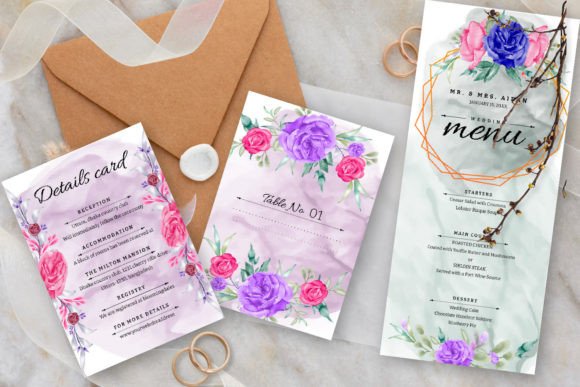
So, where does a typeface with this much character actually fit in your workflow? The applications are surprisingly broad, moving far beyond wedding invitations—though it excels there too. For brand identity projects, Champion Wreath can become the cornerstone. A luxury skincare line could use the serif for its primary logo, the sans serif for ingredient lists and website navigation, and the script for social media thank-you notes. This creates a cohesive, high-end feel that customers instinctively recognize.
In packaging design, the font’s heritage adds a layer of perceived quality. Imagine it on the box for artisanal chocolates, a premium olive oil, or a heritage-brand whiskey. It tells a story of craftsmanship and award-winning quality. For editorial design, such as magazines, lookbooks, or annual reports, it provides a sophisticated hierarchy. The display serif grabs the eye on the cover, while the accompanying sans serif ensures the articles inside are easy and enjoyable to read.
Digital creators aren’t left out. Website design and blog typography benefit immensely from a well-paired font system. Using the serif for post titles and the sans serif for the body text creates a dynamic yet readable online experience. For social media graphics, the script or handwritten style can make quotes and announcements feel more personal and engaging, boosting audience interaction. It’s also a standout choice for digital products like e-books, online course materials, or printable planners, where professional presentation directly impacts perceived value.
Making It Work: Pairing and Readability
Having a beautiful, versatile font is one thing; using it effectively is another. The key to success with any premium font system is thoughtful pairing. Don’t just use every style available in one layout. Instead, establish a clear hierarchy. A common and effective approach is to pair the primary display serif with the neutral sans serif. Use the serif for major headlines and the sans serif for subheadings and body copy. This creates contrast and guides the reader’s eye naturally.
Always prioritize readability. A stunning script font might be perfect for a 24-point headline on a poster, but it will fail completely as 10-point text on a product label. Test your chosen styles at the actual size they will be used. Print out a sample or view it on multiple screen sizes. Does the text remain clear? Is the spacing comfortable? The best modern typography balances beauty with function.
Before finalizing a project, review all the font styles included in the family. You might discover a perfect weight or alternate character that solves a design problem you didn’t anticipate. Also, pay close attention to the commercial licensing terms. For any project that will be sold or used for client work—like logos, merchandise, or marketing assets—ensure your license covers that use. This is a crucial step for any professional design asset.
Elevating Your Creative Projects
Ultimately, a typeface like Champion Wreath. Rome Wedding Honor Laur is more than just a collection of letters. It’s a tool for storytelling. It allows a small business owner to project the heritage and reliability of a century-old brand. It gives a content creator the power to make their digital products feel as polished as a major publisher’s. It helps a marketer create marketing assets that resonate with a sense of quality and distinction.
By choosing a font that aligns with your project’s goals—whether that’s elegance, authority, warmth, or innovation—you make a deliberate choice about how your audience perceives you. It improves brand recognition because every touchpoint, from your website to your business card, feels intentionally crafted. It enhances professional presentation, signaling to clients and customers that you care about the details. In a crowded visual world, that thoughtful cohesion is what makes a design, and the brand behind it, truly memorable.