Designing Moments: The Art of Wedding Invitation & Thank You Card Typography
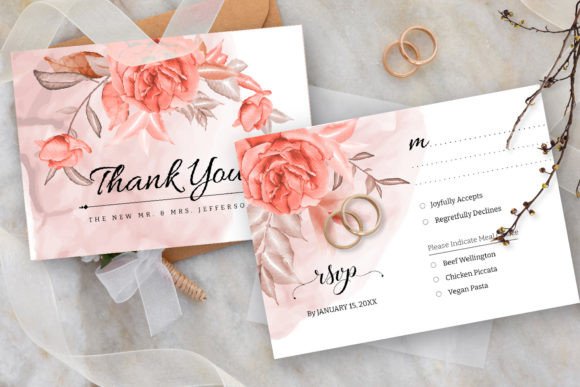
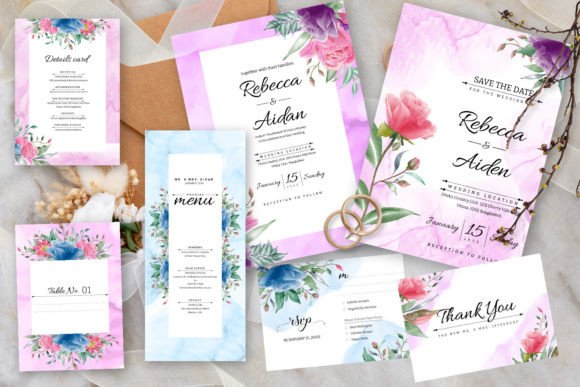
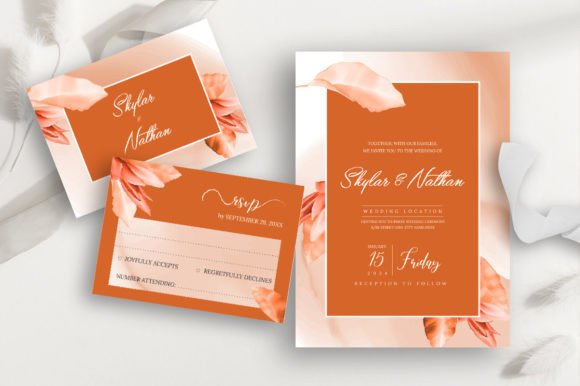
There is a distinct, quiet power held within the stationery of a wedding. Long before the vows are exchanged or the first dance begins, the Wedding Invitation, Thank You Card sets the emotional stage. It is more than mere paper and ink; it is the tactile promise of an event to come and the gracious acknowledgment of a shared celebration. For designers, small business owners, and creative entrepreneurs, understanding how to wield typography for these pivotal moments is a skill that translates directly into client satisfaction and brand prestige. The font you choose is the voice of the event—it whispers elegance, shouts modernity, or hums with rustic charm.
Capturing Emotion Through Typeface
A typeface designed specifically for the wedding industry is a unique beast. Unlike a corporate sans serif meant for quarterly reports, a premium font for this niche must breathe romance and personality. When looking at the Wedding Invitation, Thank You Card aesthetic, we are often drawn to the fluidity of script font styles. These fonts mimic the natural flow of a calligrapher’s hand, offering an organic warmth that digital text often lacks. However, the modern market has evolved. Today’s couples often seek a blend of tradition and contemporary flair, which is why a versatile collection that includes serif font options with high contrast, or delicate sans serif font pairings, is invaluable.
The visual appeal lies in the details—the swashes, the ligatures, and the way letters connect. A well-crafted script font doesn't just connect letters; it connects people to the sentiment of the event. For a small business owner running a stationery boutique, offering a variety of these typographic moods means you can cater to a black-tie gala in Manhattan just as easily as a bohemian beach ceremony in California.
Beyond the Envelope: Practical Applications for Creatives
While the name suggests a singular purpose, the utility of a high-quality wedding typeface extends far beyond the mail slot. As a designer or content creator, you can leverage the elegance of these fonts across a multitude of platforms to create a cohesive brand identity.
Consider the following real-world applications where this typography shines:
- Logo Design: Fashion boutiques, florists, photography studios, and high-end bakeries thrive on the aesthetic of a beautiful script font. It adds a touch of luxury and approachability instantly.
- Packaging Design: Imagine a candle box, a perfume label, or artisan chocolate wrapping. Using a sophisticated serif or handwritten style elevates the product from a commodity to a gift.
- Social Media Graphics: In the scroll-heavy world of Instagram and Pinterest, typography stops the thumb. Quotes, announcements, and sale graphics become significantly more engaging when rendered in a creative font that feels personal rather than corporate.
- Web Design and Blogs: Lifestyle bloggers and wedding planners can use these fonts for headers and pull quotes to maintain a consistent, romantic atmosphere throughout their digital presence.
- Editorial Layouts: Magazines focusing on lifestyle, home decor, or fashion often utilize display font styles to create dramatic headlines that draw the reader in.
Refining Your Visual Strategy
Choosing the right font is about more than just aesthetics; it is about visual consistency and readability. One of the most common pitfalls in editorial design is using a decorative script for body copy. While a swash-heavy font looks magnificent for a bride and groom's names on an invite, it becomes illegible when used for the event details or a paragraph on a website.
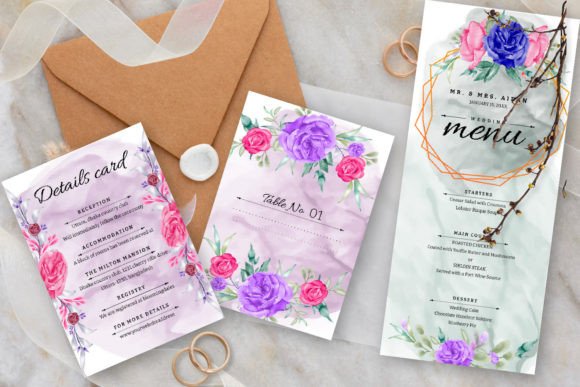
To improve professional presentation, you must master the art of font pairing. A practical rule of thumb is to balance your expressive type with a functional one. If you select a bold, handwritten font for the header of a wedding menu, pair it with a clean, geometric sans serif font for the list of courses. This contrast ensures that the design feels dynamic but remains easy to read.
Furthermore, consider the medium. Print materials like posters or merchandise allow for finer details, whereas web design requires fonts that render clearly on pixel-based screens. Always test your typography at the size it will be viewed. A font that looks like a tangled thread at 12px on a screen might look like elegant lacework at 60px on a poster.
Licensing and Commercial Viability
For entrepreneurs and marketers, the aesthetic appeal of a font must be weighed against its legal utility. When investing in design assets, specifically a commercial font, understanding the licensing is crucial. Can you use it on a t-shirt you sell? Can a client use the logo you created with it for their national advertising campaign?
A robust font package usually comes with a license that covers both personal and commercial use, but it is vital to read the fine print. If you are creating digital products—such as editable Canva templates for Wedding Invitation, Thank You Card sets—you need a license that permits the embedding of fonts or the creation of derivative works. This protects your business and ensures you are respecting the intellectual property of the type foundry.
Matching Typography to Project Goals
Every project has a goal, and your typography should serve that objective. Are you designing for a vintage-themed wedding? Look for serifs with bracketed joints and moderate contrast. Is the goal a minimalist, modern aesthetic? Opt for a sans serif font with uniform stroke widths.
For marketing assets, the font must align with the psychology of the audience. A playful, bouncy script might work wonders for a children’s party planner or a whimsical bakery, but it would undermine the authority of a law firm or a financial advisor. When you use a font like the Wedding Invitation, Thank You Card style, you are signaling a specific emotional frequency—one of celebration, care, and attention to detail.
Don't be afraid to mix weights. A bold version of a typeface can anchor a design, while a light version can add airiness. Using the different styles included in a premium font family allows you to create hierarchy without introducing visual clutter. This is how you achieve that high-end, polished look that clients are willing to pay for.
The Final Touch
In the end, typography is the bridge between the message and the reader. Whether you are a hobbyist scrapbooking a family memory or a brand strategist building a visual empire, the fonts you choose are your most silent, yet loudest, ambassadors. By selecting typefaces that prioritize both beauty and function, you ensure that your work—be it an invitation, a logo, or a social media post—resonates deeply with its intended audience. It’s about creating a visual language that feels as good to look at as the moment feels to experience.