Garland Fuchsia Flora: Bold Blooms for Wedding Invitations
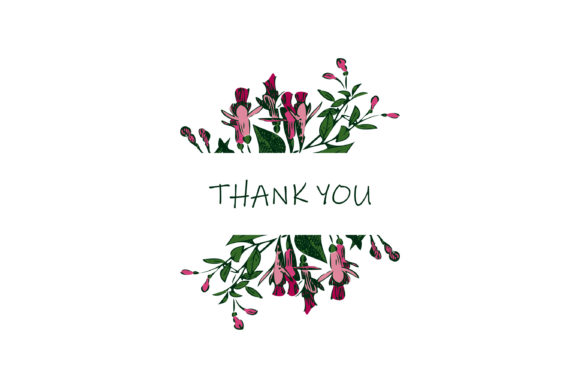
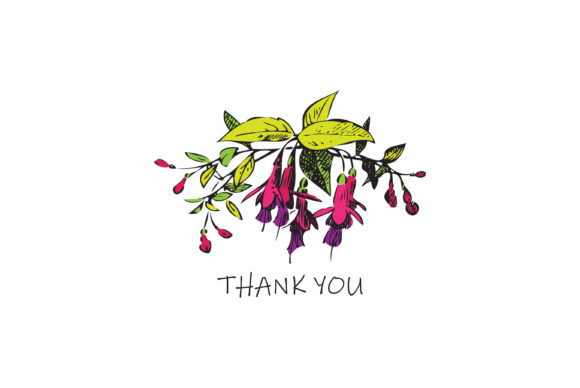
There's a moment when you're designing a wedding suite and you realize the couple's vision is anything but ordinary. They're not asking for soft pastels or minimalist neutrals. They want color, texture, and a sense of wild romance that makes a guest stop and actually look at the invitation before pinning it to their fridge. That's where a design element like the Wedding Invitation Garland Fuchsia Flora steps in—bold, unapologetic, and dripping with personality. This isn't just another floral motif. It's a statement piece built from fuchsia blooms, winding stems, and deep purple-green foliage set against a clean white background, and it works beautifully as a vector illustration for greeting cards, logos, branding, posters, and print projects.
Why Fuchsia and Purple-Green Works So Well Together
Color theory matters more than most people realize in invitation design. Fuchsia sits in that sweet spot between pink and magenta—it's vibrant without being juvenile, romantic without fading into the background. When you pair it with purple-toned greens and deep leaf textures, you get a palette that feels lush and organic but still modern. The white background keeps everything grounded and readable, which is critical when you're layering typography over a decorative garland.
This particular color combination also photographs well. Think about it: couples share their invitations on Instagram, family members text photos of the envelope, and wedding planners post flat lays. A design that holds up under a phone camera lens has real staying power. The fuchsia doesn't wash out, the greens don't turn muddy, and the contrast against white keeps the whole composition crisp.
Practical Uses Beyond the Wedding Suite
Here's where designers and small business owners can really stretch the value of a floral element like this. Yes, it's built for wedding invitations—but that's just the starting point.
Branding and Logo Design: A boutique florist, a wedding planner, or a high-end stationery brand could pull individual blooms or the full garland into a logo mark. The vector format means you can scale it down to a favicon or blow it up for a storefront sign without losing quality. Pair it with a clean serif or a flowing script font and you've got a brand identity that feels both elevated and approachable.
Packaging and Merchandise: Imagine this garland wrapping around a candle box, printed on tissue paper, or stamped onto a tote bag. The repeat-friendly nature of a floral garland makes it ideal for packaging design. It adds perceived value without cluttering the layout—customers see it and immediately associate the product with care and craftsmanship.
Social Media and Digital Marketing: Content creators and marketers can use the garland as a border for Instagram stories, a frame for quote graphics, or a background element for Pinterest pins. It adds visual interest without competing with text, which is exactly what you need when you're trying to stop someone mid-scroll.
Print Materials and Editorial Layouts: Think event programs, menu cards, thank-you notes, magazine features, blog headers. A well-drawn floral illustration like this one carries enough detail to anchor a full-page spread but stays refined enough to work as a small accent on a business card.
Posters and Wall Art: Because the design is built as a vector illustration with a clean white background, it translates directly to print. No need to fuss with background removal or color correction. Drop it into a poster template, add your event details, and send it to the printer.
Matching Typography to a Bold Floral Element
When your design centerpiece is a rich, colorful garland, your font choices need to complement—not compete. This is where a lot of designers get stuck. They pick a beautiful script font for the couple's names and then realize it disappears into the flowers.
A few practical tips:
- Use contrast strategically. If the garland is busy and detailed, go with a simpler typeface for body text. A clean sans serif or a modern serif with open letterforms keeps things readable. Reserve the ornate script or handwritten font for one or two key elements—like the couple's names or the event date.
- Test font pairings at actual size. What looks elegant on a 27-inch monitor might be illegible on a 5×7 card. Print a test or view it on a phone screen before committing.
- Watch your spacing. Floral garlands create visual texture, and tight kerning on top of that texture makes everything feel cramped. Give your letterforms room to breathe.
- Consider a premium font family. Many display font and script font families come with multiple weights, alternates, and ligatures. Having those options lets you fine-tune the personality of your typography to match the energy of the illustration.
Improving Brand Recognition with Consistent Visual Assets
One of the most overlooked benefits of using a distinctive floral illustration like the Wedding Invitation Garland Fuchsia Flora across multiple touchpoints is consistency. When a wedding planner uses the same garland motif on their website header, their Instagram highlight covers, their proposal PDFs, and their client welcome packets, they're building brand recognition without saying a word.
The same principle applies to stationery brands, event photographers, and creative entrepreneurs. People remember what they see repeatedly—and they trust it. A cohesive visual identity built around a strong design asset signals professionalism. It tells potential clients that you pay attention to details, which is exactly the message you want to send when your business revolves around aesthetics.
This is also where commercial licensing matters. If you're using a floral illustration for client work, for products you sell, or for marketing materials that drive revenue, make sure your license covers that use. Most premium design assets come with clear licensing terms—read them, understand them, and choose accordingly.
Final Thoughts on Working with Floral Design Elements
The beauty of a garland-style illustration is its versatility. You can use it whole as a border or frame. You can isolate individual stems and blooms for spot illustrations. You can rotate, mirror, or crop it to fit different layouts. Because it's a vector file, you can recolor elements to match a specific brand palette—swap the fuchsia for coral, deepen the greens to forest tones, or mute everything for a watercolor effect.
For designers building wedding invitation templates, this kind of asset is a time-saver. Instead of illustrating florals from scratch for every client, you start with a strong foundation and customize from there. For small business owners creating their own materials, it bridges the gap between "I can't draw" and "my brand looks polished."
Whether you're designing a single wedding invitation floral card or building out an entire brand identity, starting with a visually striking, well-crafted illustration sets the tone for everything that follows. Pair it with the right typography, keep your layouts clean, and let the flowers do what they do best—catch the eye and hold it.